
Creating a cozy home environment that supports both relaxation and productivity can seem like a balancing act. However, with a few thoughtful adjustments, you can design a space that feels inviting and energizing at the same time. Whether you work from home or simply want a comfortable retreat after a long day, these tips will help you strike the perfect balance.
Why a Cozy Home Environment Matters
Your home is your sanctuary. A cozy atmosphere can reduce stress and help you feel more connected to your space. At the same time, a productive environment encourages focus, motivation, and creativity. By combining these qualities, you can make your home a place where you look forward to spending time.
1. Choose the Right Lighting
Lighting plays a key role in creating a cozy atmosphere and boosting productivity.
– Natural Light: Maximize sunlight by keeping windows unobstructed during the day. Natural light improves mood and alertness.
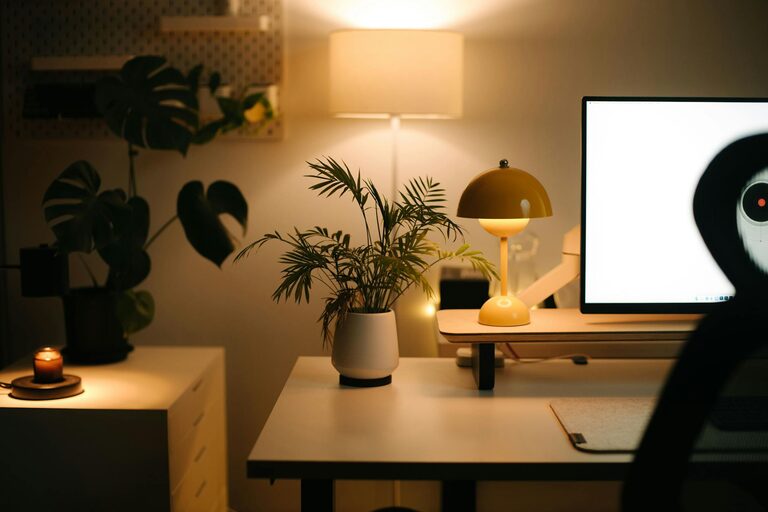
– Layered Lighting: Combine overhead lights, task lighting, and ambient lamps to adjust the mood throughout the day.
– Warm Light Bulbs: Use bulbs with a warm color temperature (2700K–3000K) for a relaxing feel.
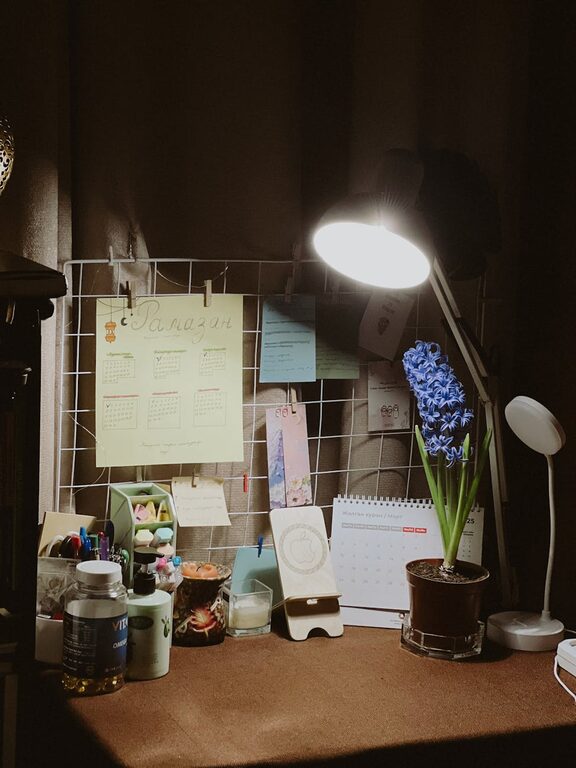
– Adjustable Desk Lamp: A focused light source helps with work or hobbies that require attention to detail.
2. Create a Comfortable Workspace
A dedicated workspace enhances both comfort and efficiency.
– Ergonomic Furniture: Invest in a supportive chair and desk at the appropriate height to prevent discomfort.
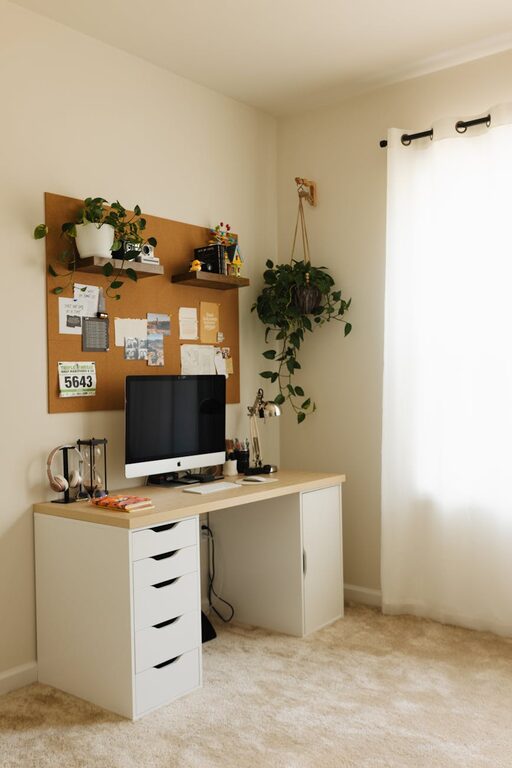
– Declutter: Keep your workspace tidy with storage options like shelves or drawers.
– Personal Touches: Add a few personal items like a plant, photo, or artwork that inspire you without causing distraction.
– Noise Control: Use noise-canceling headphones or background music to minimize distractions.
3. Add Soft Textures and Warm Colors
Textures and colors can shape the feel of your home.
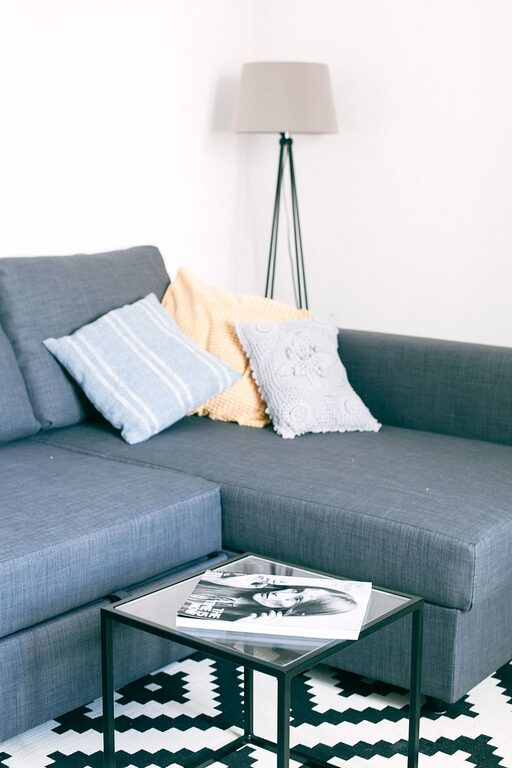
– Soft Fabrics: Incorporate plush cushions, cozy throws, and rugs to add warmth and softness.
– Neutral and Warm Colors: Shades like beige, soft gray, and muted earth tones create a calm setting.
– Accent Colors: Use calming colors such as blues or greens to refresh a room without overwhelming it.
– Layer Textures: Combine materials like wood, cotton, and wool for a balanced tactile experience.
4. Incorporate Nature Elements
Bringing nature inside can enhance relaxation and focus.
– Houseplants: Easy-care plants like snake plants, pothos, or succulents can improve air quality and boost mood.
– Natural Materials: Use wooden furniture, stone decorations, or woven baskets.
– Natural Scents: Use essential oils or candles with scents like lavender, eucalyptus, or cedarwood to promote calm.
5. Organize for Simplicity
A clutter-free home encourages a clear mind.
– Regular Decluttering: Spend time weekly or monthly to tidy up and donate unused items.
– Storage Solutions: Use boxes, bins, or organizers to keep belongings out of sight yet accessible.
– Minimalism: Opt for fewer, high-quality items rather than overcrowding your space.
6. Set Boundaries Between Work and Relaxation
Maintaining clear zones helps your brain switch between focus and rest.
– Separate Spaces: If possible, dedicate one area for work and another for relaxation.
– Visual Cues: Use rugs, lighting, or screens to mark different zones.
– End-of-Day Ritual: Close your laptop and turn off work devices to signify the end of the workday.
7. Incorporate Soothing Sounds
Sounds can influence how comfortable and productive you feel.
– Background Music: Play instrumental or nature sounds to create a calming atmosphere.
– White Noise: Devices or apps that generate white noise can help block distracting sounds.
– Silence: Recognize when you need quiet – install heavy curtains or window seals if outside noise is an issue.
8. Make Time for Comfort Breaks
Taking breaks supports well-being and productivity.
– Comfort Corner: Set up a cozy nook with a comfortable chair, soft lighting, and a favorite book.
– Movement: Stretch or take short walks to refresh your body and mind.
– Mindfulness: Practice deep breathing or meditation during breaks to ease tension.
Final Thoughts
Transforming your home into a cozy and productive space doesn’t require a big budget or a full remodel. By focusing on lighting, comfort, nature, organization, and clear boundaries, you can create an environment that nurtures both relaxation and efficiency. Remember to listen to your needs and adjust your space over time to find the perfect rhythm for your daily life.
About the Author