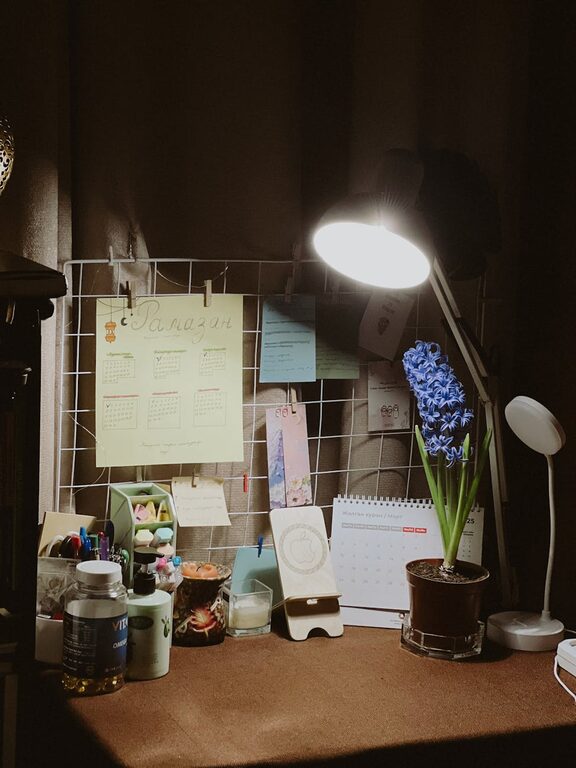
Creating a home office that feels both cozy and functional can greatly improve your work experience, especially when working remotely or managing tasks from home. A well-designed workspace supports focus, creativity, and comfort throughout your workday. In this post, we’ll share practical tips to help you craft a home office that meets your needs while making you feel relaxed and motivated.
Choose the Right Location
The first step in setting up your home office is selecting the right spot. Ideally, choose a quiet area with plenty of natural light. A corner in your living room, a spare bedroom, or a quiet nook can all work well. Avoid locations near distractions like loud appliances or heavy foot traffic.
Consider These Factors:
– Natural light: Position your desk near a window to boost your mood and reduce eye strain.
– Privacy: Opt for a space that allows you to focus without interruptions.
– Size: Ensure there is enough room for your equipment and to move comfortably.
Invest in Comfortable Furniture
Comfort is key when selecting office furniture since you may be sitting for long periods.
Must-Have Furniture Items:
– Ergonomic chair: Look for adjustable height, lumbar support, and comfortable cushioning.
– Desk: Choose one with adequate surface space and consider standing desks if standing is preferred.
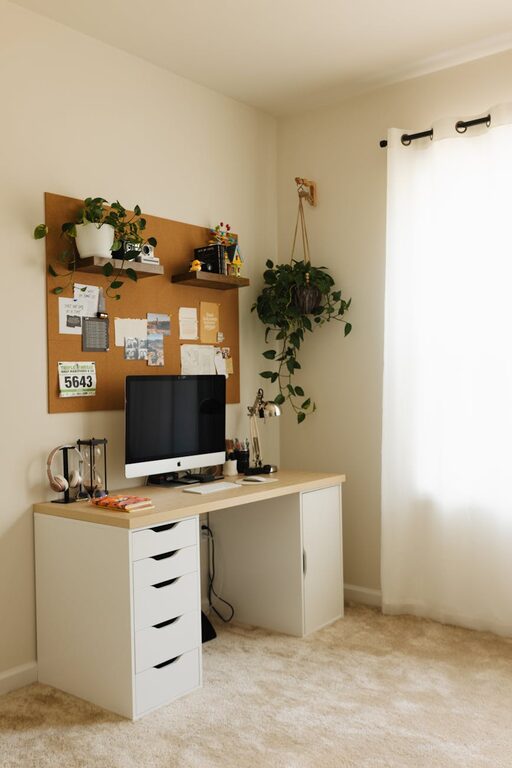
– Storage solutions: Shelves, filing cabinets, or drawers help keep your space organized.
Investing in ergonomic furniture can help prevent discomfort and improve posture during work hours.
Organize Your Space Efficiently
An organized workspace can reduce stress and make tasks easier to accomplish.
Tips for Organization:
– Declutter regularly: Keep only necessary items on your desk.
– Use organizers: Desk trays, cable clips, and drawer dividers make storage tidy.
– Label storage: Helps find items quickly and maintain order.
– Digital organization: Keep your computer files and email sorted to complement your physical space.
Add Personal Touches for Coziness
Personalizing your office makes the space inviting, which can enhance motivation.
Ideas to Consider:
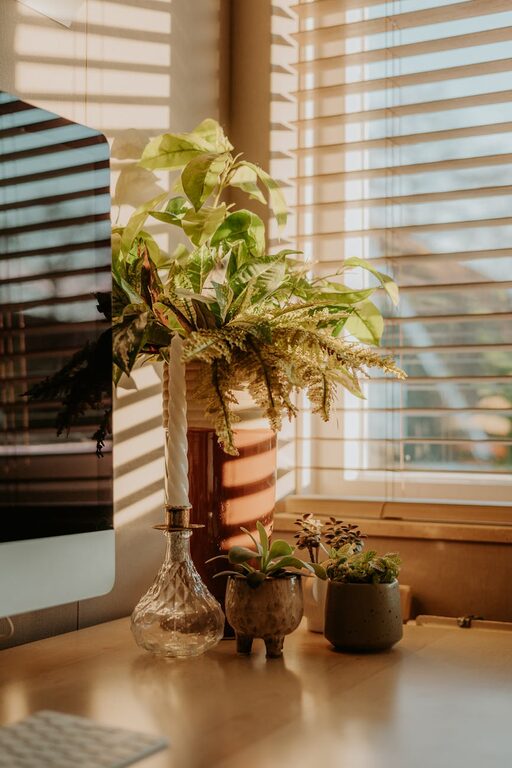
– Plants: Small indoor plants improve air quality and add a natural touch.
– Artwork or photos: Choose inspiring or calming images.
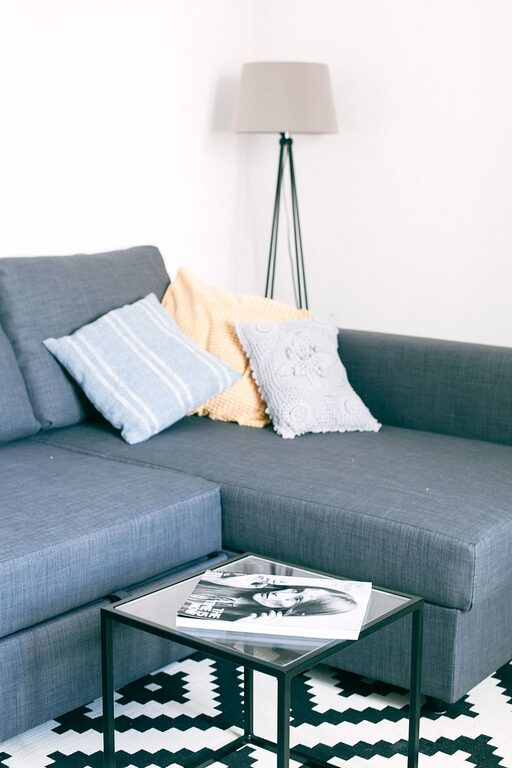
– Soft textiles: A cozy rug or comfortable throw blanket can add warmth.
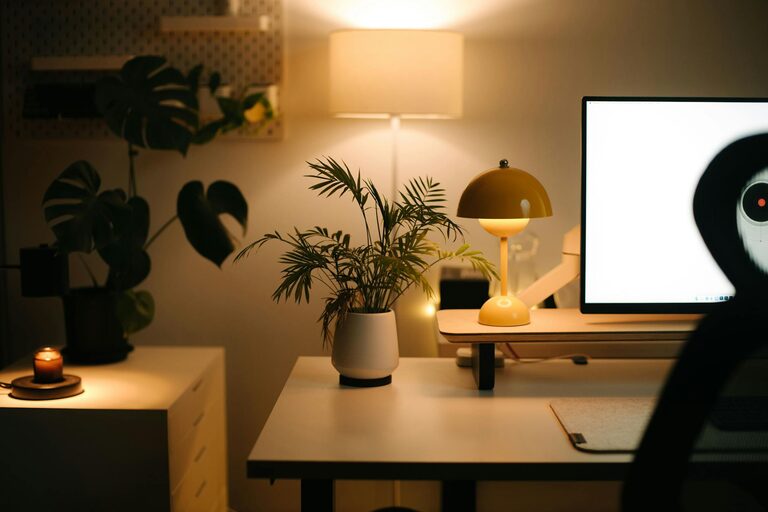
– Lighting: Warm, adjustable lighting creates a relaxing atmosphere, especially for evening work.
Just a few personal touches can transform a generic workspace into one that feels uniquely yours.
Optimize Lighting for Productivity
Good lighting is critical in preventing fatigue and maintaining concentration.
Lighting Tips:
– Use natural light: Position your desk to benefit from daylight but avoid glare on screens.
– Layer your lighting: Combine overhead, task, and ambient lighting.
– Adjust brightness: Use dimmable lamps for flexibility throughout the day.
Balanced lighting reduces eye strain and sets the right mood for your work.
Minimize Distractions
Creating a distraction-free environment helps maintain focus.
How to Reduce Interruptions:
– Set boundaries: Communicate your work hours to family or housemates.
– Use noise-cancelling headphones: These can block background noise.
– Keep the space dedicated to work: Avoid mixing leisure activities in your office area.
A focused environment supports productivity and work-life balance.
Incorporate Technology Wisely
Technology should support your workflow without overwhelming your space.
Practical Tech Tips:
– Cable management: Use clips and sleeves to keep cords neat.
– Quality equipment: Invest in reliable devices like a good microphone or webcam for video calls.
– Wireless accessories: Reduce clutter with wireless keyboards and mice.
Keeping technology organized helps maintain a clean workspace.
Maintain a Comfortable Temperature and Fresh Air
Physical comfort includes the temperature and air quality of your office.
Comfort Tips:
– Ventilate: Open windows when possible to keep air fresh.
– Temperature control: Use a fan or heater as needed to keep a comfortable climate.
– Air purifiers: Consider this if air quality is a concern.
Comfortable environmental conditions help you stay focused longer.
Final Thought
Designing a cozy and functional home office doesn’t require a big budget or major renovations. By choosing the right location, investing in ergonomic furniture, organizing thoughtfully, and adding personal touches, you can create a space that supports your work and well-being. Remember, your home office should inspire productivity and offer comfort to make your workdays more enjoyable.
About the Author