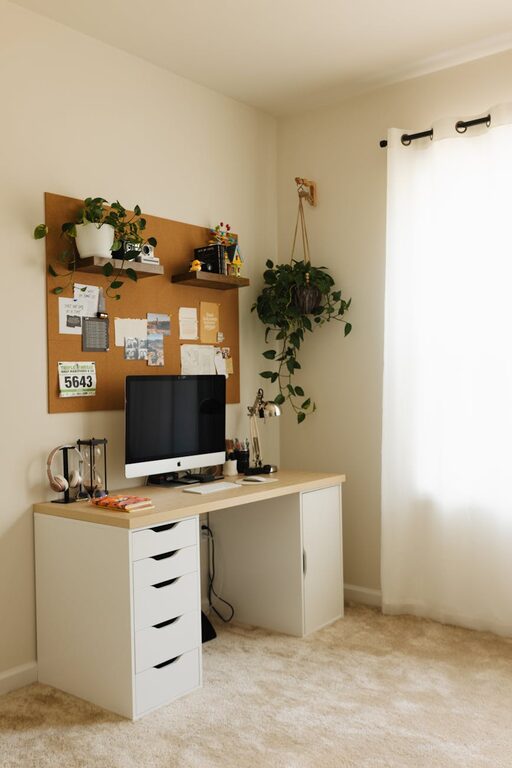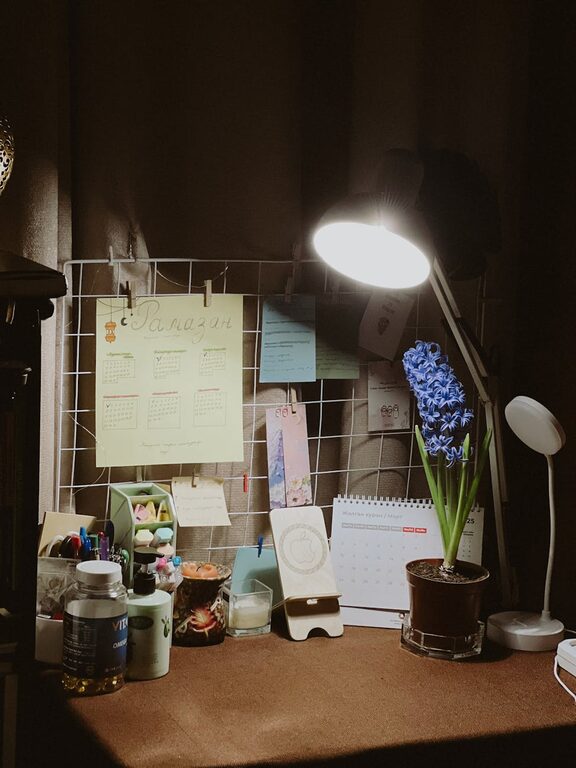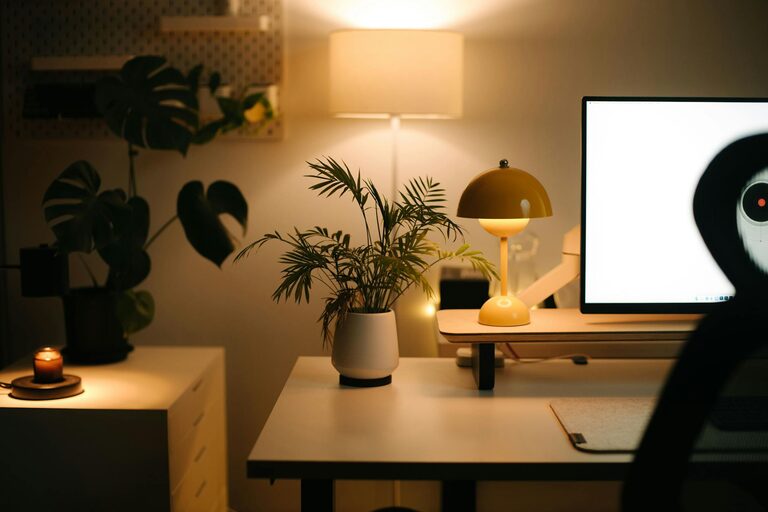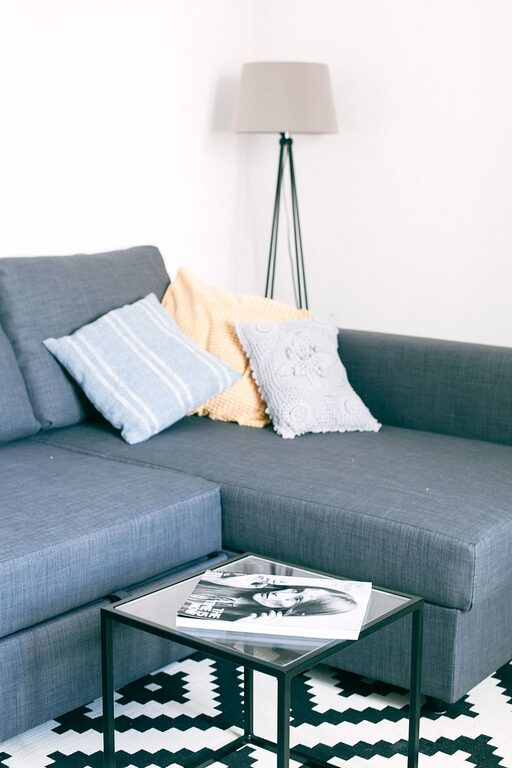

Creating a cozy and productive home office is essential for anyone who works from home or spends significant time on projects. A well-designed workspace not only enhances focus but also promotes comfort, reducing stress and increasing motivation. Whether you have a dedicated room or a small corner, these tips will help you transform your space into a perfect blend of coziness and productivity.
1. Choose the Right Location
Selecting the best spot in your home for your office sets the foundation for your workspace.
– Natural light: Aim for a location near a window when possible. Natural light helps improve mood and reduces eye strain.
– Low distractions: Pick a quiet area where foot traffic and noise are minimal to maintain concentration.
– Space considerations: Ensure there is enough room for your desk, chair, and any other tools you may need.
2. Invest in Comfortable Furniture
Comfort plays a big role in productivity and can prevent physical strain during long working hours.
– Ergonomic chair: Choose a chair that supports your back and encourages good posture. Adjustable features are a plus.
– Functional desk: Your desk should fit your equipment comfortably and be at the right height to avoid hunching or discomfort.
– Consider standing options: A sit-stand desk or a desk converter can be a great way to vary your posture throughout the day.
3. Organize Your Workspace
An organized space helps reduce stress and saves time you’d spend searching for items.
– Declutter regularly: Keep only the essentials on your desk to avoid feeling overwhelmed.
– Storage solutions: Use shelves, drawers, and organizers to store papers, office supplies, and gadgets.
– Cable management: Use clips, sleeves, or ties to keep cords tidy and prevent tangling.
4. Personalize Your Space
Adding personal touches can make your home office feel inviting and boost your overall mood.
– Decorate thoughtfully: Add artwork, plants, or photos that inspire you or make you feel relaxed.
– Color choices: Use colors that suit your personality and productivity style. For example, blues are calming, while yellows can be energizing.
– Lighting: Besides natural light, include adjustable task lighting like a desk lamp to reduce glare and eye strain.
5. Optimize Technology and Tools
Having the right technology and tools in good working order is key to keeping your workflow seamless.
– Reliable internet: Ensure you have a strong internet connection to avoid disruptions.
– Efficient hardware: Invest in a good computer, monitor, keyboard, and mouse that match your needs and comfort.
– Software and apps: Utilize productivity apps to organize tasks, communicate, and manage time effectively.
6. Incorporate Break Areas
Even a short break can refresh your mind and help you stay productive for longer.
– Comfortable seating: Include a small couch or a comfy chair nearby for relaxing during breaks.
– Refreshment station: Keep a water bottle or coffee mug within reach to stay hydrated and energized.
– Physical movement: Consider a yoga mat or space to stretch to reduce physical tension.
7. Control Noise Levels
Noise distractions can disrupt concentration and increase stress.
– Noise-cancelling headphones: These are great for blocking background noise.
– White noise machines or apps: These can mask distracting sounds with calming ambient noise.
– Soundproofing: If possible, add rugs, curtains, or acoustic panels to absorb sound.
8. Maintain Good Air Quality
Fresh air and good ventilation can improve focus and health.
– Ventilate regularly: Open windows to circulate fresh air when possible.
– Indoor plants: Certain plants like snake plants or pothos can improve air quality naturally.
– Air purifiers: Consider using an air purifier if you struggle with allergens or pollutants.
9. Stick to a Routine
A home office works best when paired with a clear daily routine.
– Set work hours: Define when your day starts and ends to create boundaries between work and personal time.
– Schedule breaks: Take short, regular breaks to sustain energy and prevent burnout.
– Declutter at day’s end: Spend a few minutes tidying your workspace before finishing your workday.
—
Final Thoughts
Designing a cozy and productive home office doesn’t require a lot of space or an expensive budget. By focusing on comfort, organization, personalization, and practical technology, you can create a workspace that supports your best work habits. Remember, your home office should inspire productivity while feeling like a space where you want to spend time. Small improvements add up and can make a big difference in your daily work experience.
About the Author