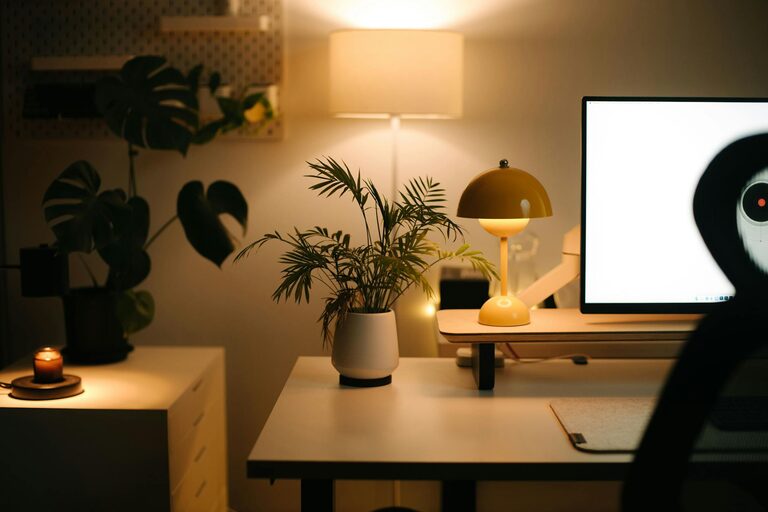
Creating a home office that is both cozy and productive is key to maintaining focus and comfort throughout your workday. Whether you’re working remotely full-time or need a dedicated space for occasional tasks, the right environment can improve your efficiency and well-being. Here’s an in-depth guide with practical tips to help you build a home office space that feels welcoming and supports your productivity.
Choose the Right Location
Selecting the perfect spot for your home office sets the foundation. Look for a quiet area with minimal distractions. Ideally, it should have good natural light as this helps reduce eye strain and boosts mood. If a separate room isn’t available, consider a corner in a less-used space to create clear boundaries between work and home life.
Prioritize Ergonomic Furniture
Comfort is crucial for long work hours. Invest in a good quality chair that offers back support and adjustable features. Pair it with a desk at the right height to maintain proper posture. Using ergonomic equipment helps prevent discomfort and enhances focus.
Desk Ideas
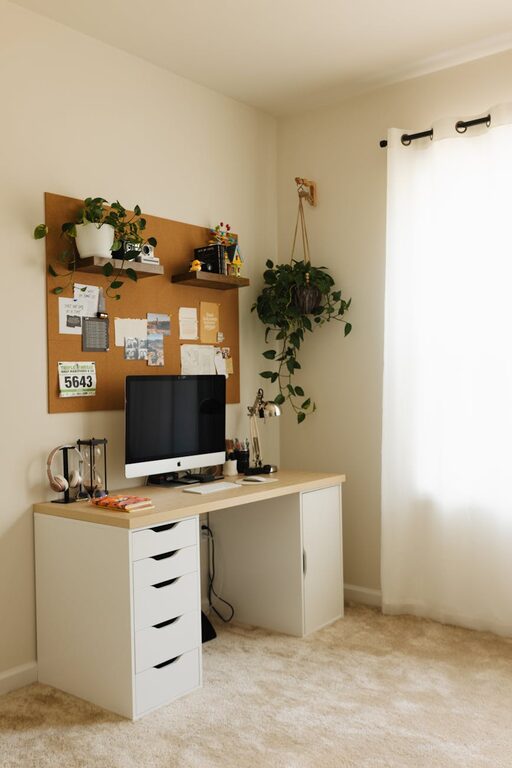
– Compact desks with storage to keep essentials close
– Adjustable standing desks for flexibility
– Desks with cable management to avoid clutter
Optimize Lighting
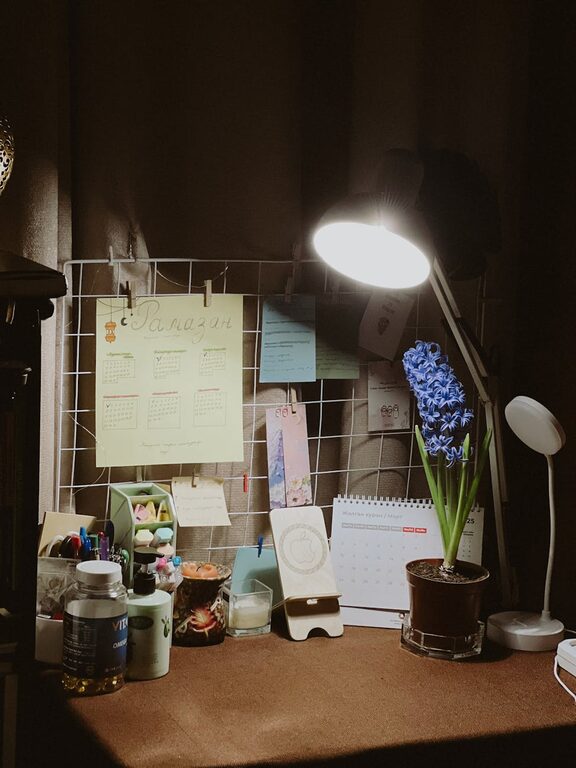
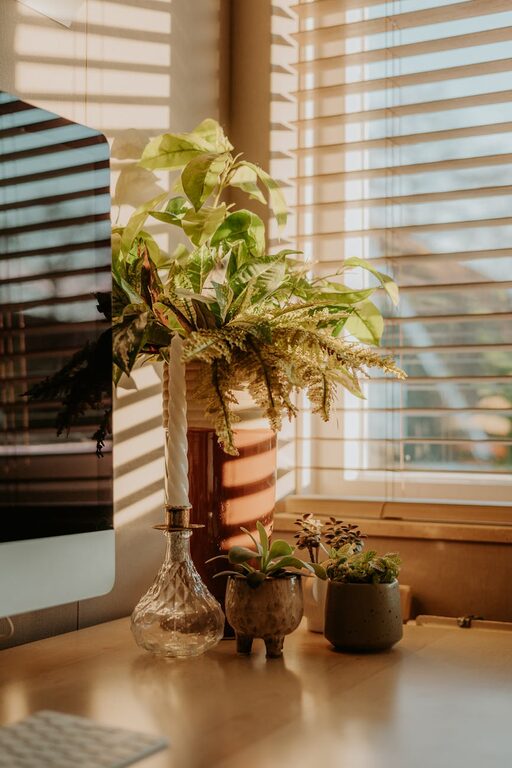
Proper lighting influences both comfort and productivity. Natural light is best, so position your desk near windows if possible. Complement this with adjustable task lighting like a desk lamp with warm tones. Avoid harsh overhead lights or screen glare by using blinds and proper screen positioning.
Keep the Space Organized
Declutter your workspace regularly to maintain a clear mind. Use storage solutions such as shelves, drawers, and organizers to keep items tidy and easily accessible.
Organization Tips
– Use drawer dividers for small office supplies
– Employ vertical storage to save floor space
– Label containers to identify contents quickly
– Schedule weekly clean-ups to stay on top of clutter
Personalize Without Overcrowding
Adding personal touches makes your office feel more inviting. Frame a few photos, place a small plant, or display inspiring quotes. However, avoid overcrowding your desk or walls, as too much decoration can become distracting.
Incorporate Greenery
Plants not only add color but also improve air quality and reduce stress. Easy-to-care-for plants like succulents, snake plants, or pothos are great options for busy professionals.
Manage Noise and Distractions
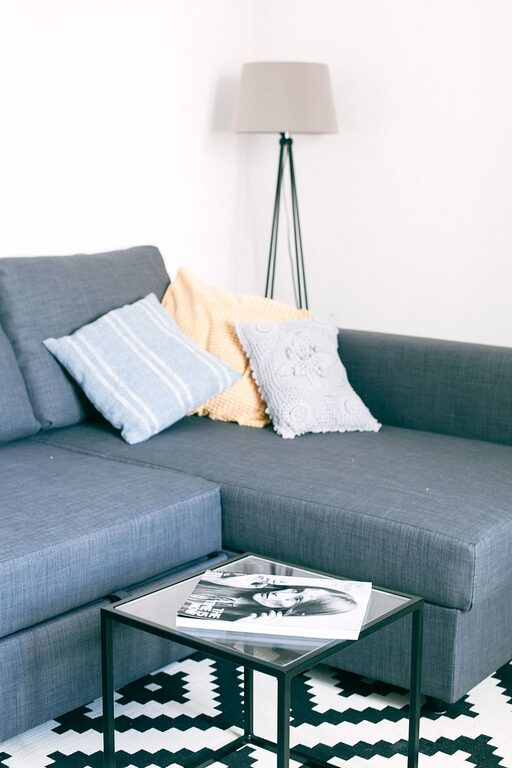
Minimize distractions by using noise-canceling headphones or playing soft background music. Consider soundproofing with rugs, curtains, or weather stripping around doors if you have noise issues at home.
Establish Boundaries and Routine
Creating a routine helps your brain associate the space with work. Set specific work hours and try to start and end your day at consistent times. If you share your living space, communicate these boundaries to household members to reduce interruptions.
Maintain Technology Efficiency
Ensure you have reliable technology to avoid frustration. Invest in a strong internet connection, a good quality monitor, and ergonomic peripherals like a keyboard and mouse that suit your working style.
Take Breaks and Move
A cozy and productive home office includes space for movement. Stand up, stretch, or take short walks to refresh your mind and body. Consider a small yoga mat or a corner for simple exercises that can be done during breaks.
—
Final Thoughts
Designing a home office that balances coziness and productivity doesn’t have to be complicated or expensive. By focusing on comfort, organization, lighting, and personalization, you can create a space where work feels enjoyable and efficient. Remember, the goal is to support your well-being while helping you stay focused and motivated throughout the day. Start small, and adjust your setup as you discover what works best for you.
About the Author