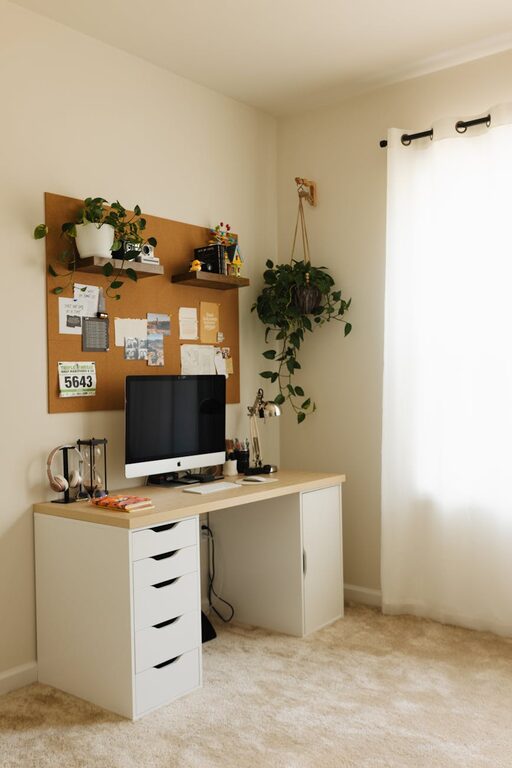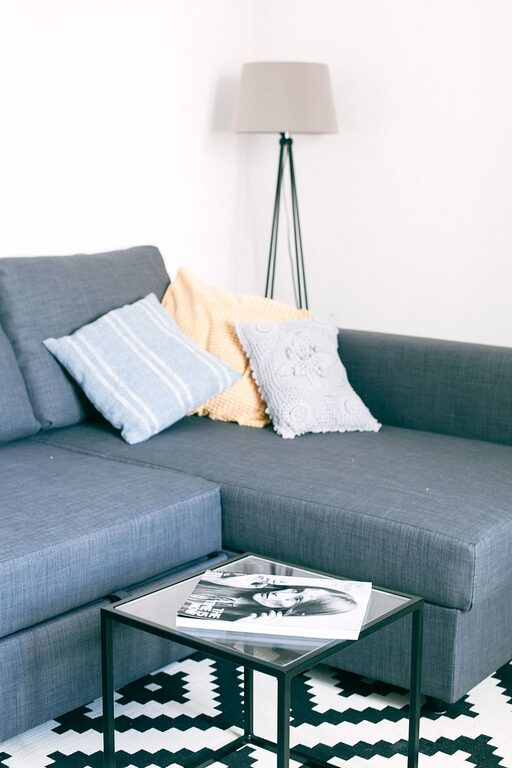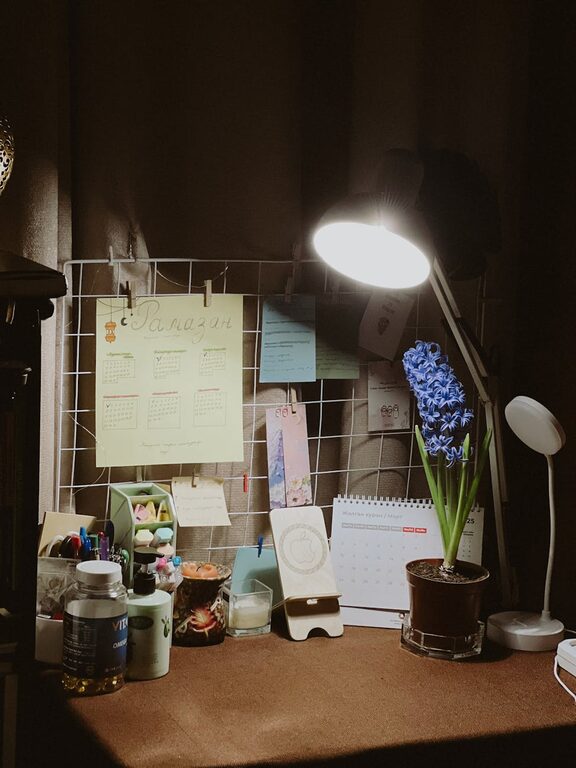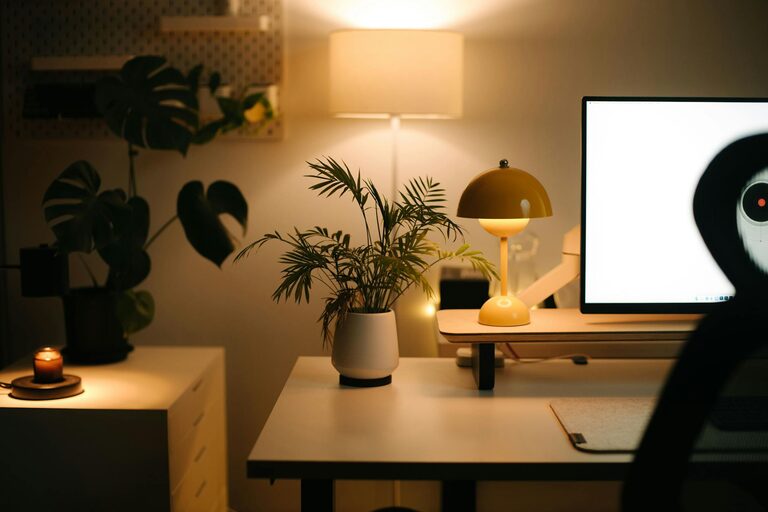
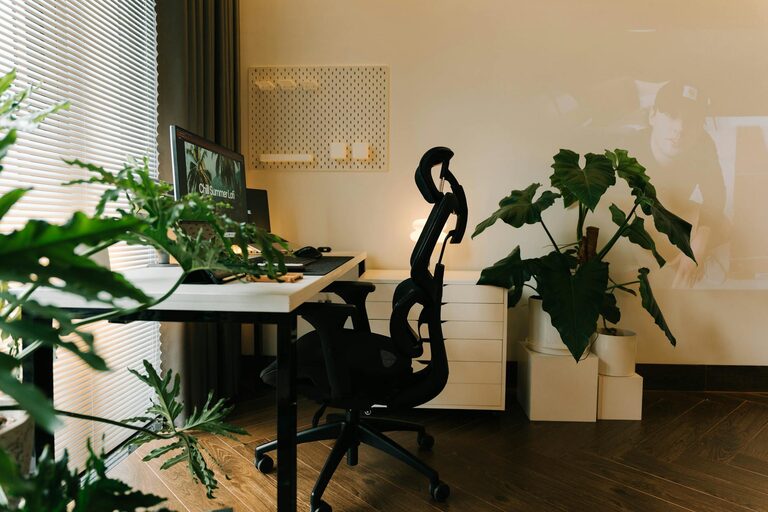
Creating a cozy and inviting home office space is essential for cultivating focus, comfort, and creativity. Whether you work remotely, run a small business, or need a quiet spot for personal projects, a thoughtfully arranged home office can make all the difference. Below are simple steps to help you design a space that balances functionality with warmth.
1. Choose the Right Location
The first step is selecting the perfect spot in your home. Ideally, choose an area that offers natural light and minimal distractions.
– Near a window: Natural light helps reduce eye strain and boosts mood.
– Quiet corners: Pick a space away from high-traffic areas to minimize noise.
– Space availability: Ensure there’s enough room for your desk, chair, and storage needs.
If space is limited, even a small nook or a dedicated corner in a living room can work with the right setup.
2. Invest in Comfortable and Supportive Furniture
Your body’s comfort is crucial during long work hours. Choose furniture that supports good posture and fits your working style.
– Ergonomic chair: Select a chair with adjustable height and lumbar support.
– Desk: Pick a desk at a comfortable height with enough surface area for essentials.
– Multiple seating options: If space allows, include a small armchair or cushioned bench for reading or brainstorming.
Comfortable furniture not only protects your health but also makes your space feel inviting.
3. Optimize Lighting
Good lighting can reduce eye strain and improve productivity.
– Task lighting: Use a desk lamp with adjustable brightness for focused work.
– Ambient lighting: Soft overhead lights or floor lamps create a warm atmosphere.
– Natural light: Arrange your desk to make the most of sunlight without causing glare on screens.
Consider warm-colored bulbs for a cozy feel rather than harsh white light.
4. Personalize Your Space with Decor
Adding personal touches makes your home office enjoyable to use.
– Plants: Indoor plants purify air and add lively greenery.
– Artwork: Hang inspiring prints or photos that motivate you.
– Rugs and cushions: Soft textiles make your office feel warm and comfortable.
– Color scheme: Choose calming, neutral, or favorite colors that foster focus and relaxation.
Personal decor balances professionalism with your personality.
5. Declutter and Organize
An organized space helps clear your mind and increases efficiency.
– Storage solutions: Use shelves, drawers, and baskets to keep supplies tidy.
– Cable management: Use clips or boxes to hide wires for a clean desk surface.
– Daily tidying habits: Spend a few minutes at the end of each day clearing your workspace.
Clutter-free areas promote calmness and prevent distractions.
6. Incorporate Technology Thoughtfully
Technology is key in most home offices, but it should serve your needs without causing clutter or discomfort.
– Monitor setup: Position screens at eye level to avoid neck strain.
– Quality peripherals: Invest in a good keyboard and mouse for ease of use.
– Wireless options: Wireless devices reduce cable mess.
– Reliable internet: Ensure fast and stable connectivity for uninterrupted work.
Keep technology minimal and functional to maintain a serene environment.
7. Create Zones for Different Activities
If your space allows, design distinct areas for various tasks.
– Work zone: Primary desk setup for computer and paperwork.
– Reading/collaboration zone: Comfortable seating for reading or video calls.
– Creative zone: Space for sketching, brainstorming, or other hands-on work.
Different zones encourage movement and keep the workday fresh.
8. Add Soothing Elements
Incorporate features that help you relax and stay focused.
– Aroma diffusers: Light scents like lavender or eucalyptus can enhance calm.
– Background music: Use low-volume instrumental tunes to boost concentration.
– Natural materials: Wood, linen, and cotton add warmth and texture.
These subtle additions make your office space feel like a pleasant retreat.
—
Final Thoughts
Creating a cozy and inviting home office doesn’t have to be complicated or expensive. With thoughtful choices in location, furniture, lighting, decor, and organization, you can build a workspace that supports your productivity and well-being. Experiment with different elements and find what makes your home office a place you look forward to spending time in each day.
Remember, the best home office reflects your unique needs and style—so don’t be afraid to personalize and adjust as you go!
About the Author