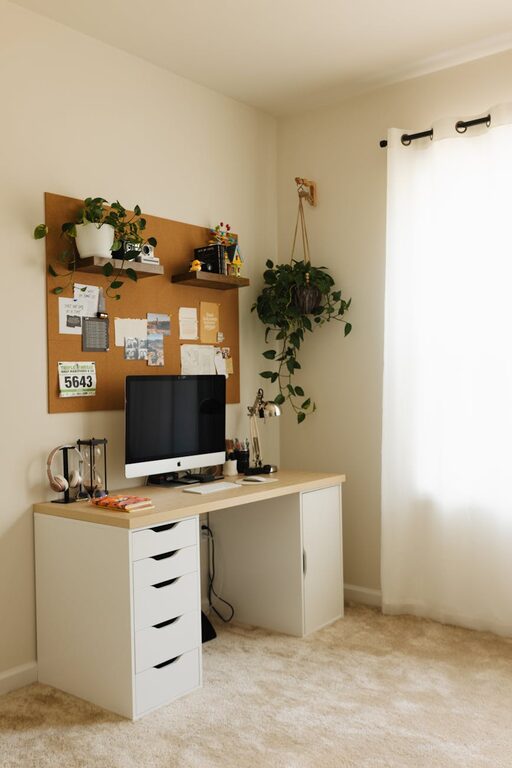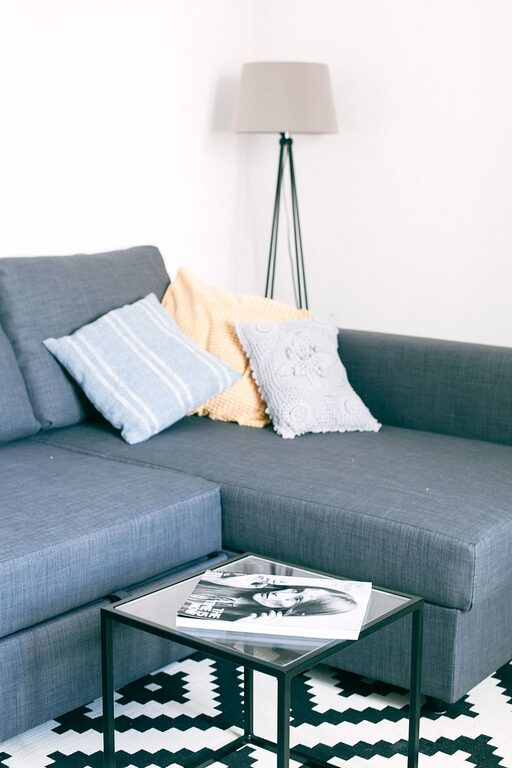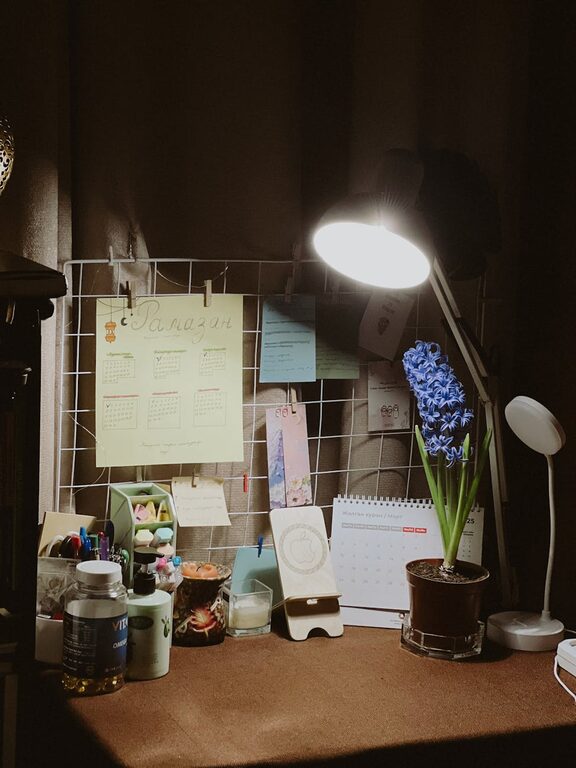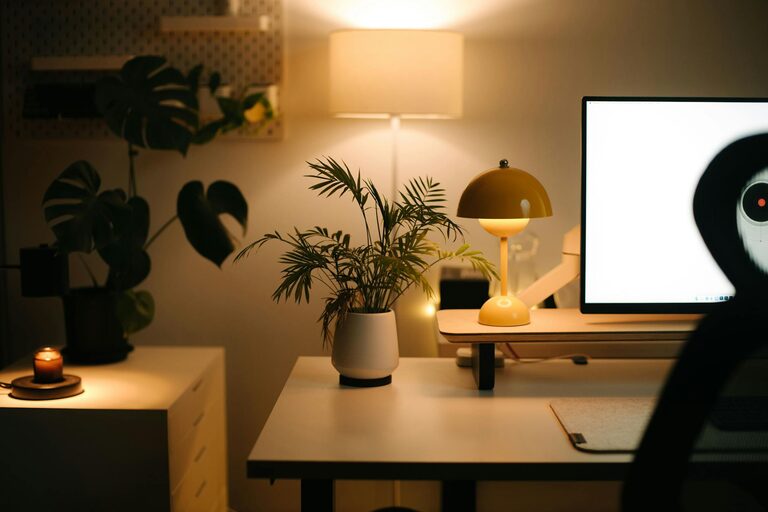
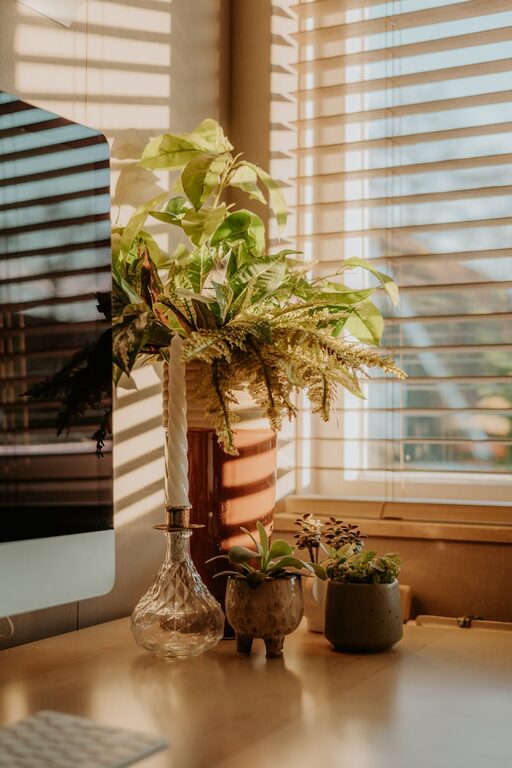
Creating a relaxing home office environment is key to boosting productivity and maintaining a healthy work-life balance. When your workspace feels calming and organized, it becomes easier to focus, reduce stress, and complete tasks efficiently. Whether you’re working remotely full-time or occasionally from home, these tips will help you design a home office that supports your best work.
Choose the Right Location
Selecting the ideal spot for your home office sets the foundation for a productive environment.
– Find a Quiet Area: Pick a space with minimal foot traffic and distractions. A spare room or a quiet corner can work well.
– Good Natural Light: Position your desk near a window if possible. Natural light improves mood and reduces eye strain.
– Separate from Living Areas: Try to keep your workspace distinct from where you relax or socialize to help mentally separate work and leisure.
Invest in Comfortable Furniture
Comfort matters when you spend hours at your desk.
– Ergonomic Chair: Choose a chair that supports your lower back and allows your feet to rest flat on the floor.
– Adjustable Desk: If possible, use a desk with adjustable height so you can alternate between sitting and standing.
– Proper Desk Size: Ensure your desk is large enough to hold your computer, notes, and other essentials without feeling cluttered.
Keep Your Workspace Organized
A tidy space encourages clear thinking and reduces stress.
– Declutter Daily: Take a few minutes at the end of each workday to clear your desk.
– Use Storage Solutions: Shelves, drawers, and organizers can keep supplies and paperwork neatly stored.
– Cable Management: Use clips or sleeves to keep cords untangled and out of sight.
Incorporate Soothing Colors and Decor
Colors and decor influence your mood and focus.
– Choose Calming Colors: Soft blues, greens, and neutrals are known to create a relaxing atmosphere.
– Add Personal Touches: Display a few meaningful photos, artwork, or a small plant to make your space inviting without overdoing it.
– Keep Decor Minimal: Avoid overcrowding your workspace with too many items to maintain a sense of calm.
Optimize Lighting
Lighting plays an important role in productivity and comfort.
– Use Layered Lighting: Combine natural light with task lighting such as a desk lamp to reduce shadows and eye strain.
– Avoid Glare: Position screens to avoid reflection from windows or bright lights.
– Consider Warm Lights: Soft white bulbs create a relaxing environment compared to harsh fluorescent lighting.
Manage Noise and Distractions
A peaceful audio environment helps you concentrate.
– Noise-Cancelling Headphones: Use them to block out distracting sounds, especially if your home is busy.
– Play Background Music: Soft instrumental music or white noise can help some people focus better.
– Set Boundaries: Communicate your work hours with family or roommates to minimize interruptions.
Bring in Natural Elements
Nature can have a calming effect and boost your mood.
– Add Plants: Indoor plants improve air quality and add a touch of greenery, which is refreshing to the eyes.
– Use Natural Materials: Wood or bamboo office accessories and furniture bring warmth to your space.
– Open Windows Occasionally: Fresh air can help maintain alertness and reduce stuffiness.
Take Breaks and Move Regularly
A relaxing environment also includes habits that sustain your well-being.
– Schedule Breaks: Step away from your desk every hour to stretch or move around for a few minutes.
– Create a Relaxation Spot: If possible, have a cozy chair or corner where you can unwind during breaks.
– Practice Mindfulness: Simple breathing exercises or meditation can refresh your mind and reduce stress.
Personalize Your Workspace Mindfully
Balance personalization with functionality.
– Favorite Scents: Use mild essential oils or scented candles to create a pleasant aroma but avoid overpowering smells.
– Inspirational Items: Place a motivational quote or vision board where you can see it without cluttering your desk.
– Rotate Decorations: Change decor seasonally or as your tastes evolve to keep the space feeling fresh.
Ensure Good Technology Setup
Technology should enhance, not hinder, your work.
– Reliable Internet: A stable connection helps prevent frustration.
– Ergonomic Accessories: Use a quality keyboard, mouse, and monitor stand to improve comfort.
– Cable Organization: Keep chargers and cables neat to maintain a clean look.
Final Thoughts
Creating a relaxing home office environment is all about designing a space that fits your needs and supports your workflow. By focusing on comfort, organization, natural elements, and minimizing distractions, you can enjoy a calm atmosphere that makes work more enjoyable and productive.
Start small by adjusting one or two areas, and you’ll likely notice a positive difference in how you feel and work at home. Your ideal workspace is within reach!
About the Author