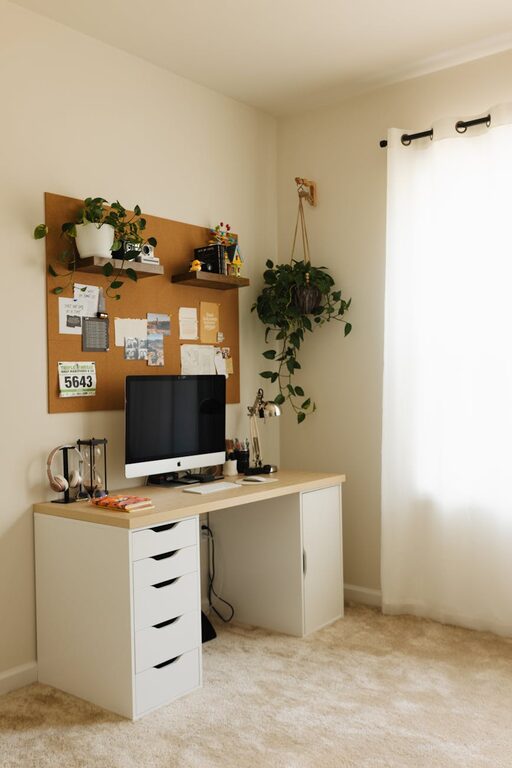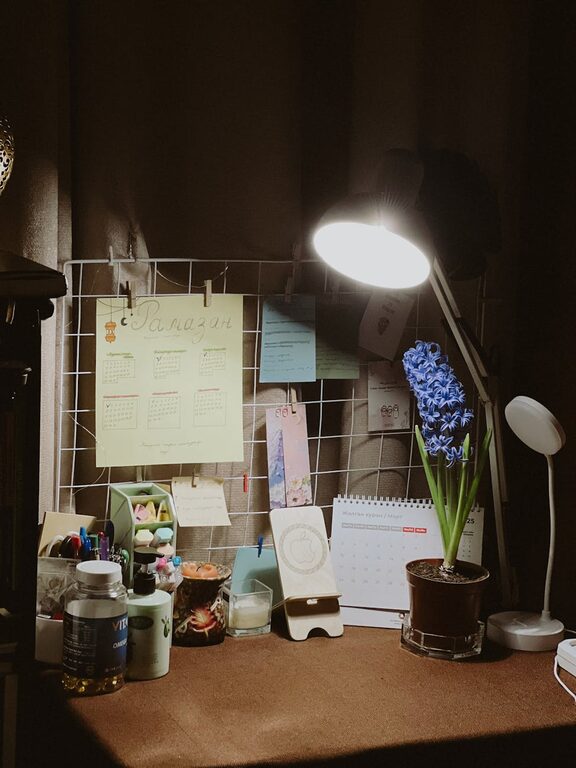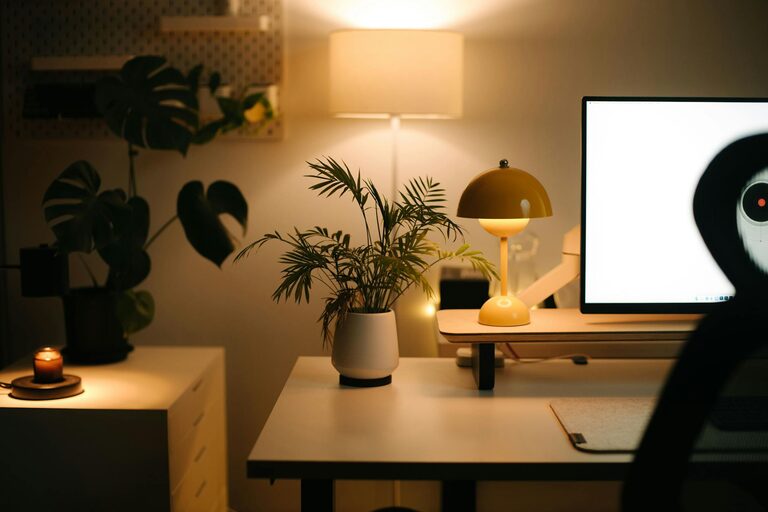
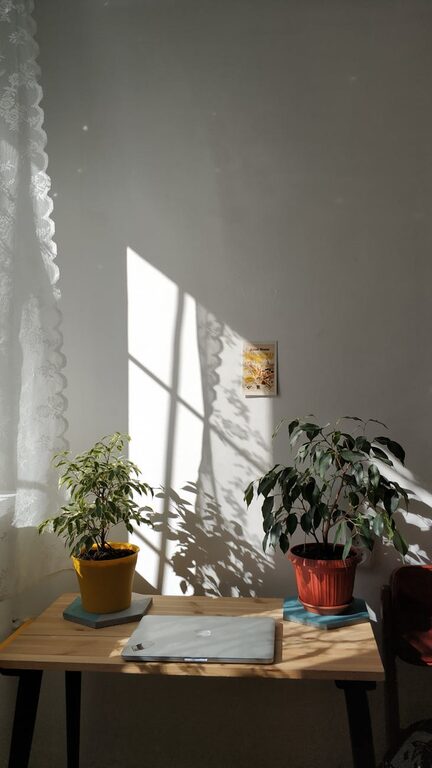
Bringing indoor plants into your living space has become a popular trend, and for good reason. These natural elements not only enhance the aesthetic appeal of your home but also offer a variety of health and wellness benefits. Whether you have a green thumb or are new to plant care, incorporating indoor plants into your home decor can transform your environment in many positive ways.
Why Choose Indoor Plants?
Indoor plants are versatile and can fit into almost any room or decor style. From small succulents on a windowsill to large leafy plants in corners, they add texture, color, and life. Beyond their decorative appeal, indoor plants can improve your quality of life in several ways.
Benefits of Indoor Plants
1. Improved Air Quality
One of the most well-known benefits of indoor plants is their ability to purify the air. Plants absorb carbon dioxide and release oxygen through photosynthesis, which helps increase the oxygen level inside your home. Additionally, certain plants can remove toxins like formaldehyde, benzene, and ammonia that are commonly found in household products and furnishings.
#### Popular Air-Purifying Plants:
– Spider Plant
– Snake Plant
– Peace Lily
– Aloe Vera
– Boston Fern
2. Enhanced Mood and Reduced Stress
Being around greenery has been linked to better mental health. Studies show that indoor plants may help reduce stress, increase productivity, and improve concentration. The presence of plants can create a calm and serene atmosphere, making your home feel more relaxing. Caring for plants can also give a sense of purpose and routine, which is beneficial for emotional well-being.
3. Increased Humidity and Comfort
During colder months or in dry climates, indoor air can become quite dry. Plants naturally release moisture into the air through a process called transpiration, which can help maintain comfortable humidity levels indoors. This added moisture can reduce issues like dry skin, irritation in the respiratory tract, and static electricity.
4. Natural Beauty and Versatility
Indoor plants add a splash of green that complements many design styles. Whether your home is modern, rustic, minimalist, or eclectic, there is a plant that fits perfectly. Small potted plants can brighten shelves or mantels, while larger plants can serve as living sculptures or focal points in a room.
Tips for Incorporating Indoor Plants into Your Decor
Choose the Right Plants for Your Space
Consider the light levels, temperature, and humidity of the room. Some plants thrive in direct sunlight, while others prefer shade. If you have pets, be mindful of which plants are non-toxic.
Use Stylish Containers
Pots and planters come in many shapes, sizes, and materials. Choosing containers that match your decor style can elevate the look of your plants and integrate them seamlessly into the room.
Mix Different Plant Types
Combine plants with various leaf sizes, shapes, and colors for visual interest. Trailing plants, upright plants, and bushy plants can be arranged together in groups or separately around your home.
Create a Plant Care Routine
Set aside time weekly to water, prune, and check the health of your plants. This will keep them thriving and looking their best.
Common Indoor Plants for Beginners
If you are new to plant care, consider starting with low-maintenance species. These plants are typically resilient and easy to care for, making them ideal for beginners.
– Pothos: Tolerates low light and irregular watering.
– ZZ Plant: Thrives in low to moderate light.
– Succulents: Require minimal water and prefer bright light.
– Philodendron: Grows well indoors with moderate care.
Final Thoughts
Incorporating indoor plants into your home decor is a simple and rewarding way to enhance your living space. They provide aesthetic beauty, improve air quality, boost mood, and add natural comfort. Whether you choose a few small plants or create a lush indoor garden, these green companions bring life and vitality to your home.
Start small, experiment with different types of plants, and enjoy the many benefits they offer!
About the Author